Best 4G Solar Security Cameras (2025), Real Picks You Can Buy on Amazon
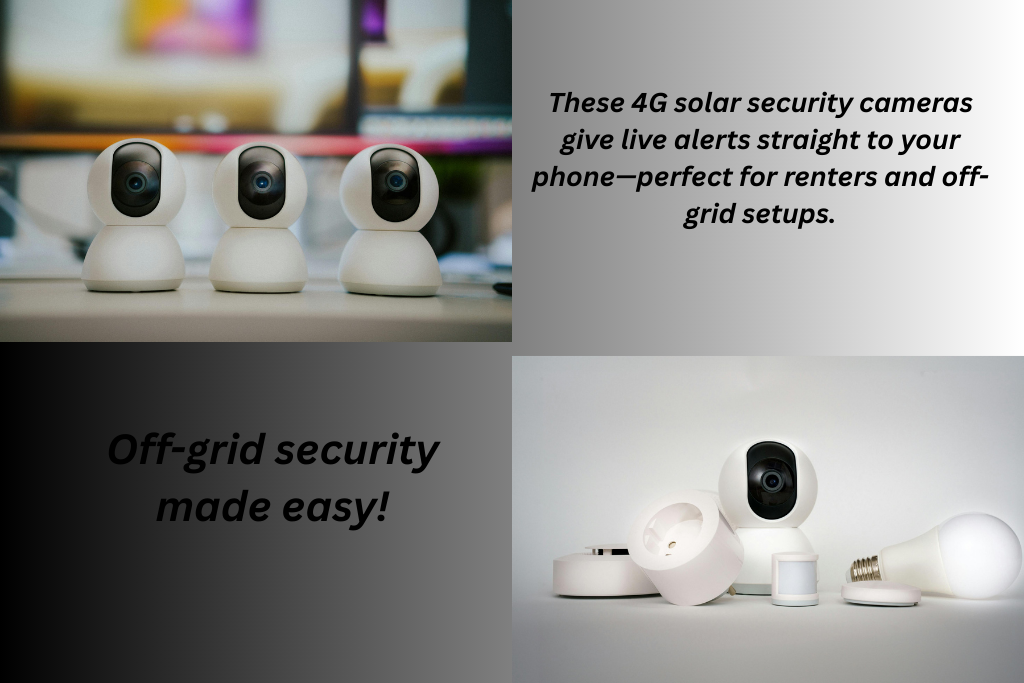
Renting a property different from your regular city apartment needs a different security setup. Especially when it comes to farm gates, vacation homes, construction sites, RVs, and remote cottages, you need surveillance where there’s no power or Wi-Fi. It should be a camera that uses a cellular SIM that runs on a solar panel. This eliminates wiring and keeps you online during outages. 4G solar security cameras are best for such usage. However, these cameras do have some significant tradeoffs that you must keep in mind. For example, you will need a SIM or data plan, and the data costs. Additionally, the solar panel installation and battery size must be matched to your local sunlight conditions.
First, take a look at this quick buying checklist to ensure you get what actually matters.
- Check for the camera’s cellular bands and SIM support. Your chosen camera must support your carrier’s LTE bands. Also, check if it accepts standard, micro, or eSIM. Without matching bands, the camera won’t get a signal
- Look for the solar panel wattage and battery capacity. The panel wattage (≥6–30W, depending on model) and battery mAh/Wh. A bigger battery and stronger panel equals more reliable all-weather performance.
- 2K/4MP resolution and night vision are common and useful for identification. Color night vision is a bonus.
- Local storage vs cloud, as local SD card saves ongoing subscription costs; cloud may be more convenient, but often costs monthly fees.
- Mounting and PTZ (pan/tilt/zoom). For wide areas, a PTZ or 360° pan can be better than a single fixed view.
- Weather rating (IP65/IP66/IP67) is essential for true outdoor reliability.
- False-alarm filtering and AI detection for human or vehicle detection. It reduces nuisance alerts.
Top Picks for Renters
REOLINK Go / Go Plus (4G LTE)
It is the best all-around 4G solar camera. Reolink 4G Go and 4G LTE Go Plus are built by a reputable camera maker. These are available in cellular versions with solar panel kits. Good UI and well-documented carrier compatibility make it easier to set up in remote spots. Reolink Go/Go Plus is ideal when you want a reliable brand and clear images. It is also best for remote property owners who want brand reliability and good image quality.
Key Features
- 4G LTE connectivity, works without Wi-Fi
- Battery-powered with optional solar panel support
- 1080p (Go) and 2K (Go Plus) video resolution
- PIR motion detection with instant mobile alerts
- Two-way audio and local microSD storage
Pros
- Ideal for off-grid locations like farms, construction sites, or rentals
- Easy installation with no wiring or drilling required
- Clear video quality for a cellular camera
- Solar option helps extend battery life significantly
- Weather-resistant for outdoor use
Cons
- Requires a separate SIM card and ongoing data plan
- Performance depends heavily on the 4G signal strength
- The battery drains faster with frequent motion alerts
- No Wi-Fi connectivity as a backup option
- Limited advanced smart-home integrations
2) Arlo Go 2 (4G LTE)
Arlo Go 2 (4G LTE) is best for renters who prioritize easy mobile app and customer support. Arlo gadgets are often more expensive and may require an Arlo subscription for full features. The same goes for this 4G solar security camera. Arlo’s Go 2 offers LTE connectivity and easy app setup with robust night vision. It is a good choice if you want a polished consumer experience and support.
Key Features
- 4G LTE connectivity with optional Wi-Fi fallback
- 1080p Full HD video with color night vision and spotlight
- Rechargeable, swappable battery with optional solar panel support
- Built-in GPS tracking and two-way audio
- Motion alerts and local microSD storage support
Pros
- Works both on cellular and Wi-Fi for flexible use
- Good video quality with color night vision
- Completely wire-free and easy to install
- Weather-resistant for outdoor environments
- Reliable mobile app with smart alerts
Cons
- Requires a cellular data plan for LTE use
- More expensive than many 4G-only cameras
- The battery drains faster with the spotlight and frequent alerts
- Some advanced features require a paid subscription
- Performance depends on signal strength in remote areas
3) IMOU AOV PT 4G Solar (newer contender)
Do you want large area coverage? IMOU AOV PT 4G solar camera offers longer run time, and with its pan/tilt, it covers a larger area. IMOU’s recent 4G solar PT camera is designed for extended solar runtime with an efficient battery management scheme. The manufacturer highlights the ability to run long with moderate sunlight. You can also switch between Wi-Fi and 4G when needed. It is useful at remote sites with intermittent networks.
Key Features
- 4G LTE connectivity with solar-powered battery system
- Always-On Video (AOV) mode for near-continuous monitoring
- 3K (5MP) resolution with full-color night vision
- 360° pan and tilt for wide-area coverage
- AI human/vehicle detection with app-based alerts
Pros
- Solar panels significantly reduces the need for manual recharging
- Pan and tilt covers large outdoor areas with a single camera
- High-resolution video offers better clarity than many 4G cameras
- Always-on snapshot recording improves event tracking
- Good option for remote, off-grid security setups
Cons
- Requires a SIM card and cellular data plan
- Performance depends on sunlight availability
- Pan, tilt, and AOV features consume more power
- The app and ecosystem are less mature than premium brands
- Limited smart-home and third-party integrations
4) iGeek / SEHMUA / MOES 4G LTE
iGeek, SEHMUA, and MOES 4G LTE are the Amazon-sold brands. They offer full 4G LTE and solar kits at a lower price point. These are good for temporary sites, farms, or construction areas where budget matters; they work well. But you must read reviews carefully for firmware and support quality.
Key Features
- 4G LTE cellular connectivity (works without Wi-Fi)
- 1080p or higher video resolution with night vision
- Motion detection with mobile push notifications
- Built-in microphone/speaker for two-way audio
- Local storage support (microSD) and app control
Pros
- Great for locations without Wi-Fi
- Simple, wire-free installation
- Typically budget-friendly compared to big-brand 4G cameras
- Motion alerts and live view through smartphone
- Some models include weatherproofing for outdoor use
Cons
- Requires a separate SIM card and recurring data plan cost
- Variable build quality and reliability across brands
- Battery life can be limited without external power/solar
- App/software experience is often less polished
- Connectivity and performance depend on 4G signal strength
5) Higher-power REOLINK / Commercial 4G solutions
Best for mission-critical and long-term remote installs, these Reolink cameras are best for commercial use. They work better in places with poor sunlight. They come with heavy-duty kits with larger 30W solar panels and high-capacity batteries for year-round uptime in less sunny climates. Although these are pricier but much more reliable for non-stop monitoring
Key Features
- Industrial-grade 4G LTE (or 5G) cellular connectivity for reliable remote access
- Higher resolution cameras (2K–4K) with advanced imaging
- Multiple camera support through NVR/4G-enabled hubs
- Enhanced motion analytics (people/vehicle classification, tracking)
- Extended power options, including PoE, AC power, and large solar/battery setups
Pros
- Enterprise-level performance with better video quality and analytics
- Scalable systems that support many cameras over a single hub
- More robust hardware with better weatherproofing and durability
- Flexible power configurations for long-term use
- Professional features like scheduled recording, alerts by zone, and remote management tools
Cons
- Requires cellular data plans for each connected device or hub
- Higher upfront cost compared to consumer units
- More complex installation and setup
- Can require ongoing subscription for advanced features and cloud storage
- May need technical know-how for troubleshooting or network integration
Set up and real-world tips (so your $250 camera actually works)
- Put a phone with the intended SIM at the camera location and check the speed. If the signal is weak, install an external antenna or choose a different carrier.
- Many solar cameras recommend a full charge through the cable before first use.
- Tilt the panel to maximize seasonal sun and avoid shade from trees or buildings.
- Use a data plan sized for event clips (3–6GB/month may be fine for occasional triggers), or get an “unlimited” IoT plan if you want continuous upload.
- Use local SD and periodic cloud backup for critical footage to avoid high monthly fees.
Short buying recommendations
| Want reliability and a good image | REOLINK Go Plus (4G) |
| Want the easiest setup and brand support | Arlo Go 2 (4G) |
| On a tight budget (still need off-grid) | iGeek / SEHMUA / MOES 4G solar kits on Amazon |
| Need long runtime / PT coverage | IMOU AOV PT 4G Solar |
Conclusion
Before purchasing the best 4G solar security camera on Amazon, do your research on the products. Choose one that suits your needs best.


You May Also Like
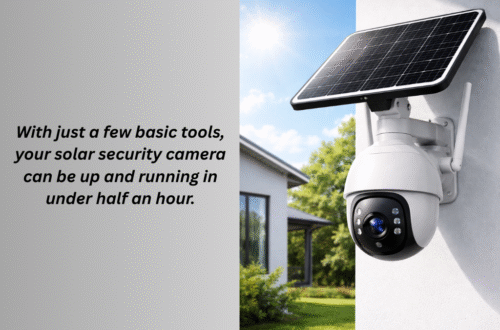
How to Install a Solar-Powered Security Camera in Less Than 30 Minutes
Top Wireless Security Cameras for Renters