The Truth About Home Security Systems
When renting, you don’t own the walls you live within. The home security is also not fully in your control. You can’t drill holes or upgrade locks. With break-ins and theft becoming more common in apartment blocks, many tenants turn to home security systems, hoping they’ll be the answer. But here’s the truth that most marketing campaigns skip: You can’t just install a system and call it safe.
Renters need a very different security approach than homeowners. Not every system is renter-friendly, not every gadget offers real protection, and sometimes the feeling of safety can be more comforting than the safety itself. Before you invest, you deserve to know what actually works and what doesn’t.
This article breaks down the real truth behind home security systems for renters. We will be helping you to choose solutions that protect you while giving you complete peace of mind.
The Truth About Home Security Systems: What No One Tells You
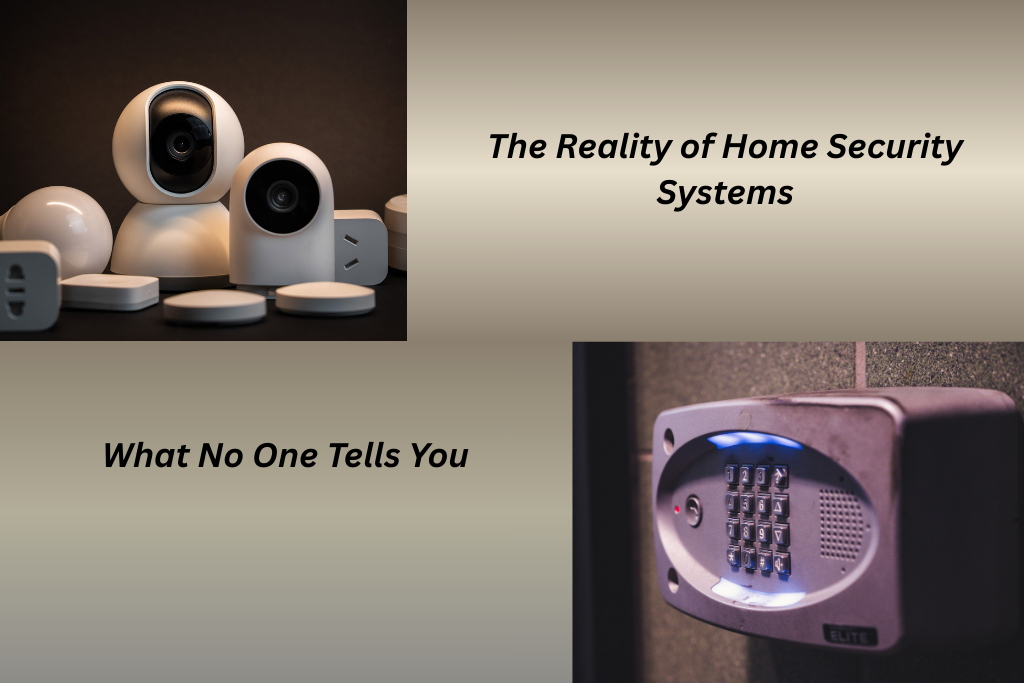
Home security ads promise complete protection. With their sleek and compact devices, they can alert you the moment anything moves. But behind the marketing lies a reality homeowners and renters often discover too late.
1. Security Systems Don’t Prevent Crime
Smart security systems deter crime, but they don’t prevent it. The presence of a camera or alarm reduces the risk. However, it is not a magic shield. Burglars mostly scan a home before targeting it. A visible security system is a threat to their plan. A visible security system discourages crime. But it does not eliminate, and the determined intruders can still break in.
2. You Still Need Physical Security
You cannot ignore the importance of physical security. People install gadgets, and then they stop securing doors or windows properly. A smart lock without closed doors or entry points is like a helmet without a strap. It’s protective but not foolproof.
3. Subscription Fees Add Up
The price of the device is only the beginning. The truth is that the most effective system is the one you can afford to maintain long-term. For that, you will need to pay
- Monthly monitoring
- Cloud storage for video footage
- Advanced features for up to a $100 device
4. False Sense of Safety Is a Hidden Risk
When homeowners rely solely on technology, they sometimes ignore common-sense safety habits. A system should support vigilance, not replace it.
So, What Actually Works?
The most secure homes combine
- Smart monitoring
- Strong physical defenses
- Responsible living habits.
A camera can alert you, but a well-lit yard and locked doors prevent opportunity in the first place.
The Limitations No One Mentions
| Benefit | Hidden Reality |
| Cameras capture evidence | But they can’t physically stop a crime |
| 24/7 monitoring | Often comes with recurring subscription fees |
| Smart features | Vulnerable if Wi-Fi goes down |
| Sensors detect movement | But require correct placement & upkeep |
A Security System Works Best as Part of a Bigger Strategy
Security is multi-layered. One device isn’t always enough. For real protection, homeowners should combine technology with:
- Strong door and window locks
- Outdoor lighting and visible deterrents
- Neighborhood awareness and response plans
- Regular maintenance and device updates
Conclusion
A home security system can be a powerful tool, but only if we stop viewing it as a complete solution. The real truth? Security isn’t bought, it’s built with awareness, habits, and the right technology working together.


You May Also Like

Common Invasions Against Renters that Made them Unsafe